Material Handling Equipment in Irving, TX
Call for Pricing & Availability(214) 393-5107Call to discuss material handling equipment pricing, availability and jobsite requirements.
Efficient material handling is vital for Irving’s diverse industrial sectors, including manufacturing, warehousing, and construction. Selecting the right equipment improves workflow, safety, and jobsite operations. This guide covers forklifts, telehandlers, and specialized handling machines designed to meet the specific demands of Irving’s commercial and industrial environments.
Material flowWhat Types of Forklifts Best Serve Indoor and Outdoor Irving Facilities?
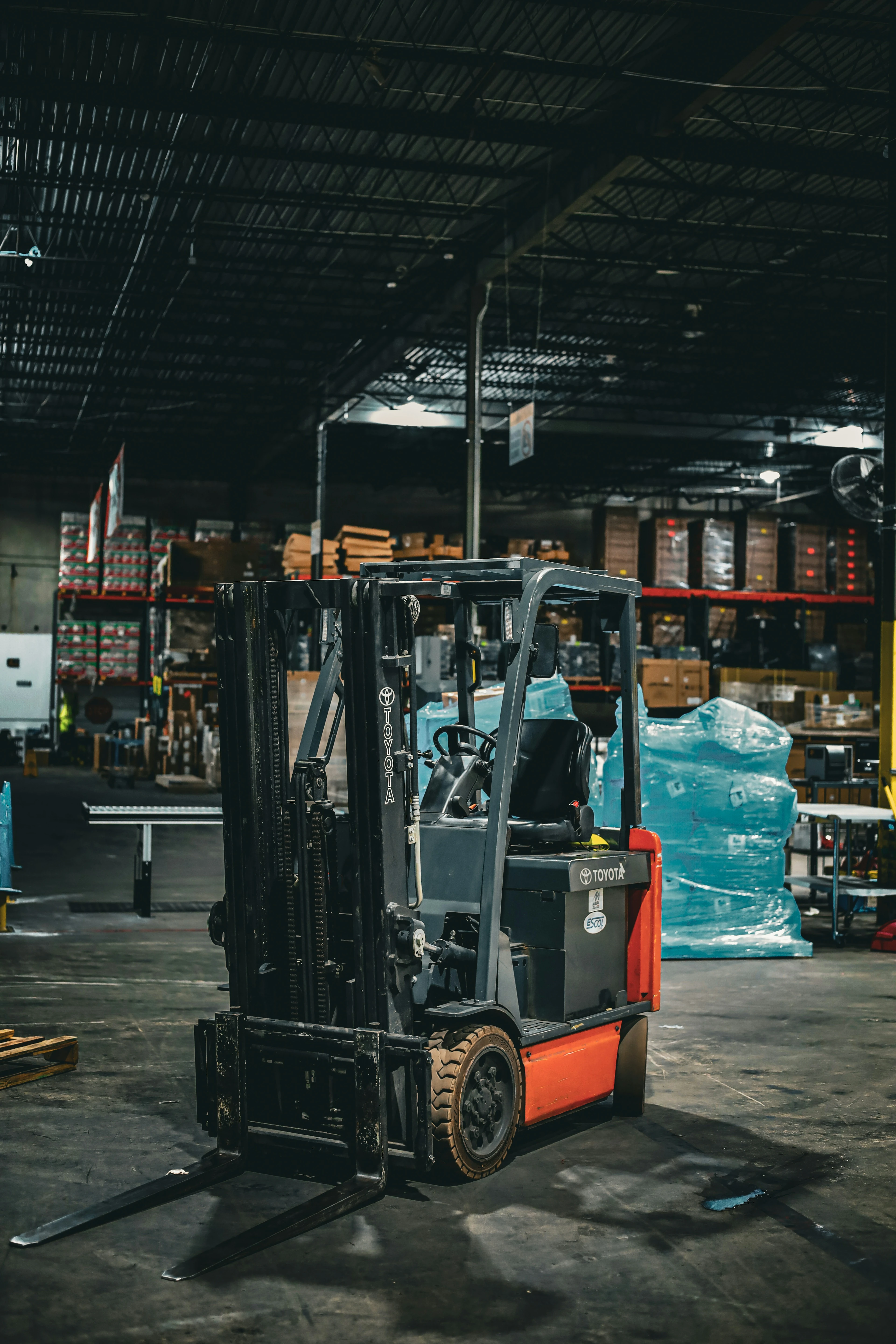
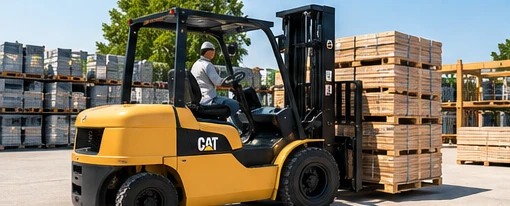
Forklifts remain essential for moving pallets and materials efficiently in Irving’s warehouses and industrial sites. Warehouse forklifts, often electric, are ideal for indoor use where emissions and floor loading are concerns. They excel in receiving docks and storage aisles with limited clearance, focusing on load center and pallet size compatibility.
For outdoor applications such as construction staging or site loading, rough-terrain forklifts provide the necessary ground clearance and tire traction. Selecting these requires careful evaluation of terrain suitability and rated capacity at the intended load center. Operator training on model-specific controls is critical to maintain safe operation under Irving’s varied site conditions.
How Do Telehandlers Enhance Material Placement on Irving Construction Sites?
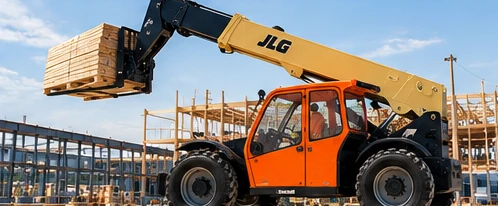
Telehandlers combine forklift functionality with a telescoping boom, enabling materials to be lifted and placed at heights and distances beyond standard forklifts. In Irving’s construction environments, telehandlers support framing deliveries, roof truss positioning, and multi-story material placement where reach and maneuverability are crucial.
Choosing the right telehandler involves analyzing load charts at specific reaches, attachment compatibility, and site terrain. For example, the JLG 943 model offers a maximum lift height of 43 feet and forward reach over 30 feet, but rated capacity decreases significantly at maximum outreach. Understanding these performance curves is essential to prevent overloading and ensure safety.
For Irving contractors planning telehandler usage, it is advisable to perform a site survey to assess ground conditions and potential obstacles. This ensures the selected model meets the reach and capacity needs while maintaining maneuverability and safety on site.
What Advantages Do Compact Telehandlers Offer for Limited Access Sites?
Irving’s urban and landscaping projects often face space constraints that limit equipment maneuvering. Compact telehandlers are designed to operate efficiently in restricted areas, combining telescoping reach with a smaller footprint. This capability allows crews to handle palletized blocks or landscaping supplies without requiring large turning radii.
When selecting a compact telehandler, consider transport width, maximum forward reach, and rated load capacity. Terrain conditions must also be evaluated to confirm suitability for the site’s surface. These machines enhance productivity by reducing the need for manual material handling in tight or uneven spaces.
Compact telehandlers typically feature transport widths less than 7 feet, enabling easier transit through narrow gates or urban streets common in Irving. Prioritize models with four-wheel drive and oscillating axles to maintain traction on uneven or soft terrain encountered in landscaping projects.
How Does Material Handling Equipment Impact Warehouse and Distribution Efficiency in Irving?
In Irving’s warehouses and distribution centers, material handling equipment supports rapid order fulfillment and inventory management. Electric warehouse forklifts minimize indoor emissions and floor wear, enabling safe, continuous operation in climate-controlled environments. Additionally, selecting forklifts with regenerative braking and energy-efficient motors can further reduce operational costs and environmental impact in Irving’s distribution centers.
Aisle clearance and pallet size compatibility are critical factors when selecting equipment for these settings. Efficiently matched forklifts reduce congestion and prevent damage to stored goods. Operator training on load handling and maneuvering within narrow aisles further optimizes safety and throughput.
Questions about material handling equipment?
Discuss equipment requirements, project dates and site conditions by phone.
What Safety and Operational Considerations Should Irving Contractors Prioritize?
Material handling equipment must be operated in accordance with manufacturer specifications and local safety regulations to mitigate risks. Irving contractors should ensure operators receive training specific to each equipment type, including load capacities, terrain limitations, and attachment use. Equipment operators should also use personal protective equipment (PPE) and adhere to site-specific traffic management plans to minimize collision risks. Implementing lockout/tagout procedures during maintenance prevents accidental startups and injuries.
Regular inspections and maintenance are essential to maintain equipment reliability and safe functioning. Additionally, site-specific factors such as surface stability, load distribution, and environmental conditions influence equipment choice and operational protocols. Adhering to these considerations supports efficient and secure jobsite workflows. Site supervisors should conduct daily pre-operation checks, focusing on hydraulic systems, tire integrity, and safety devices such as horns and lights. Environmental factors like wet or uneven surfaces require adjusting operational speeds and load handling techniques to maintain stability.
Selecting Material Handling Equipment for Irving’s Mid-Cities Industrial Environment
Irving’s position within the Dallas–Fort Worth metroplex and its industrial growth necessitate equipment that balances capacity with operational efficiency. When choosing material handling machines, consider the frequency of use, typical load weights, and available storage space to optimize fleet composition.
Additionally, factoring in the city’s regulatory environment, such as noise restrictions and emission standards, especially in mixed-use areas, helps ensure compliance and community acceptance. Equipment with lower noise profiles and zero-emission electric options support sustainable operations.
Explore equipment categories
Common questions
Can warehouse forklifts be used outdoors on Irving construction sites?
Warehouse forklifts are primarily designed for indoor use due to their tire type and emission considerations. Using them outdoors on uneven or rough terrain common in Irving construction sites can cause damage and reduce safety. For outdoor applications, rough-terrain forklifts or telehandlers are recommended.
How does telehandler capacity change with boom extension?
Telehandler rated capacity decreases as the boom extends forward or upward. For example, a model like the JLG 943 has a maximum capacity of 9,000 pounds at minimal reach but drops to around 1,200 pounds at maximum forward reach. Operators must consult load charts closely to avoid overloading.
What factors influence the choice between compact and standard telehandlers?
The decision depends on site access constraints, terrain type, and load requirements. Compact telehandlers are favored for tight spaces and limited turning room, while standard telehandlers offer higher reach and load capacity suited for larger, open construction sites.
Are electric forklifts suitable for all indoor Irving facilities?
Electric forklifts are ideal for indoor environments due to zero emissions and quieter operation. However, floor loading capacity and aisle width must be considered to ensure the equipment matches the facility’s structural and operational requirements.
What training is necessary for safe material handling equipment operation in Irving?
Operators should receive training specific to the equipment model, including understanding load capacities, maneuvering controls, and site-specific hazards. Compliance with OSHA standards and manufacturer guidelines is essential to maintain safety and operational efficiency.